
Alternative Investments in Verbier: Beyond Traditional Assets
June 25, 2026
11 mins read
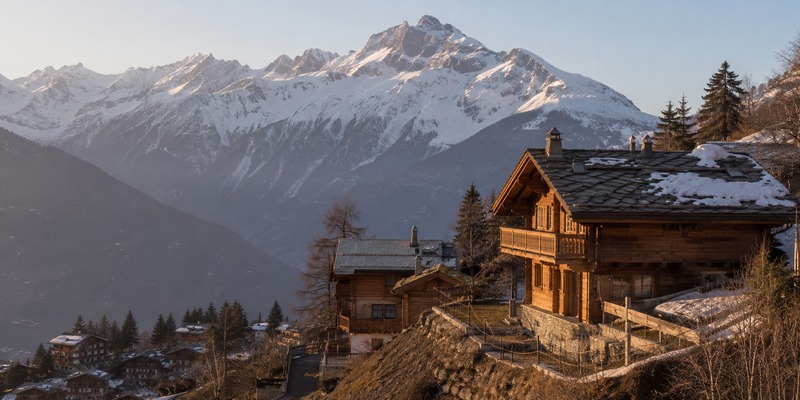
Alternative investments in Verbier are defined as non-traditional asset classes, including luxury real estate, fine art, and specialist local ventures, that sit outside conventional stocks and bonds. Verbier, the Swiss Alpine resort in the canton of Valais, offers a rare combination of legal scarcity, Swiss Franc exposure, and a growing year-round economy that makes it genuinely distinctive for investors. Apartments in central Verbier range from CHF 18,000 to CHF 28,000 per square metre, with freestanding chalets starting at CHF 5 million. These are not casual purchases. They are long-term capital preservation plays with a lifestyle dimension that few other markets can match.
What makes Verbier’s luxury real estate a distinctive alternative investment?
Verbier real estate is best understood as a store of value rather than an income-generating asset. LakeRock Capital analysts describe it as a low-correlation asset, primarily valued for Swiss Franc exposure and long-term capital preservation. That framing matters. If you approach Verbier property expecting the yield profile of a buy-to-let flat in Zurich, you will be disappointed.
What are the realistic yield expectations?
Gross rental yields in Verbier sit between 2.5% and 3.5%, with vacancy rates around 1%. The low vacancy confirms strong demand, but the modest yield reflects the premium price base. Rental income typically covers maintenance costs and local taxes, but capital appreciation is the primary return driver. Investors who hold Verbier property for a decade or more have historically seen meaningful price growth, supported by structural supply constraints.
Why is supply so restricted?
The Lex Weber legislation, passed in 2012, limits second homes to 20% of a municipality’s total housing stock. Verbier already exceeds that limit, which means no new second homes can be built. Pre-2012 chalets with existing second-home rights have become scarce trophy assets. That scarcity is not going away. It is baked into Swiss law, and it underpins the long-term price floor for quality properties.
Pro Tip: Focus on properties with existing second-home rights and full renovation. Turnkey chalets command a premium, but they save you from a permitting process that can take years and cost significantly more than anticipated.
Swiss Franc exposure through Verbier property also offers inflation protection and currency diversification for international investors holding euros or dollars. For families and women investors building long-term wealth across currencies, that CHF anchor is a genuine portfolio benefit, not just a side note.
How does investing in local art and cultural ventures add value?
Art and cultural assets in Verbier represent a different kind of non-traditional investment. The resort hosts a strong cultural calendar, including the Verbier Festival, one of Europe’s most respected classical music events. That cultural density attracts affluent visitors and creates a natural market for art, limited editions, and gallery investments.
Art investments in Verbier benefit from the resort’s cultural events and high-net-worth visitor base, but they require specialist advice to navigate valuation and liquidity challenges. The upside can be significant. A limited-edition work acquired through a local gallery during a festival week can appreciate considerably if the artist gains wider recognition. The downside is equally real. Art is illiquid, difficult to value objectively, and highly dependent on taste and timing.
What types of art investments work in Verbier?
The most accessible entry points are gallery acquisitions, limited-edition prints, and direct commissions from artists who exhibit locally. Some investors take a stake in gallery operations themselves, which adds an income dimension but also increases operational complexity. The key principle is the same as with property: buy what you understand, and take advice from someone who knows the local market.
Year-round residency growth is reshaping Verbier’s demographics, drawing entrepreneurs and families who value culture as part of their lifestyle. That shift supports a more permanent art market, rather than one that depends entirely on seasonal visitors. For investors, it means the cultural economy is becoming more stable and less cyclical.
Pro Tip: Before committing to any art purchase as an investment, get an independent valuation from a specialist outside the selling gallery. The conflict of interest in gallery valuations is well documented across the art world.
Art also carries a lifestyle benefit that purely financial assets cannot replicate. Owning a significant work in a Verbier chalet is both a personal pleasure and a portfolio position. That dual nature makes it particularly well suited to the alternative asset classes that resonate with investors who want their wealth to reflect their values and interests.
What unique local ventures present alternative investment opportunities?
Verbier’s shift toward year-round living has created a new category of investment opportunity. The resort is no longer purely a winter destination. Hiking, mountain biking, wellness retreats, and remote working have extended the season and changed who lives there permanently.

The most promising local venture categories are boutique hotels and serviced residences, wellness centres and spa facilities, green energy and sustainable tourism projects, and specialist food and beverage concepts targeting the resident and visitor community. Each of these fits the broader trend of impact investing within alternative asset classes, where financial returns are paired with measurable social or environmental outcomes.
Boutique hospitality is the most developed of these categories. A small hotel or serviced chalet operation in Verbier can generate consistent revenue across both winter and summer seasons, provided it is positioned correctly. The key is professional management. Investors who try to run these operations themselves typically underperform those who appoint experienced local operators from day one.
Wellness centres are a growing segment. Verbier’s affluent resident base and health-conscious visitor profile create genuine demand for high-quality spa, fitness, and recovery facilities. The capital requirements are significant, but so is the pricing power. A well-run wellness facility in a luxury Alpine resort can command rates that would be unachievable in an urban setting.
Green energy projects, including solar installations and small-scale hydroelectric schemes, are increasingly viable in the Swiss Alps. The Swiss government’s energy transition policies support private investment in renewables, and the returns are relatively predictable compared to hospitality or art. For investors who want exposure to Verbier’s economy without the volatility of a single property or business, a stake in a local energy project is worth serious consideration.
Pro Tip: When evaluating any local venture investment, ask specifically about the management team’s track record in Alpine resort environments. A hospitality operator who excels in an urban market may struggle with the seasonal logistics and regulatory complexity of a mountain resort.
How do you navigate regulations and market challenges in Verbier?
Swiss regulations shape every aspect of investing in Verbier, and understanding them before you commit capital is not optional. The Lex Weber law is the most significant constraint. Because Verbier exceeds the 20% second-home limit, the distinction between a primary residence and a second home has major implications for what you can buy, how you can use it, and what you can build.
Primary residences face fewer restrictions and can be renovated more freely. Second homes are subject to strict usage rules and cannot be converted to primary residences without meeting specific criteria. For investors, this means the legal classification of a property must be confirmed before purchase, not after.
Renovation is a particular challenge. Turnkey properties are strongly preferred by experienced investors because the permitting process for significant renovations in mountain resort environments is slow, expensive, and uncertain. A property that looks like a bargain because it needs work can quickly become a liability if planning permission is delayed or refused.
Professional property management is not a luxury in Verbier. It is a necessity. Local managers handle rental logistics, maintenance, regulatory compliance, and tenant relations. Without that support, the operational burden of owning a remote Alpine property quickly erodes the financial case.
Taxation is straightforward by Swiss standards. Property ownership generates an imputed rental income that is taxed at the cantonal level, even if the property is not rented out. Local property taxes and maintenance levies also apply. A Swiss tax adviser with experience in Valais canton will give you a clear picture of the annual cost base before you buy.
Pro Tip: Work with a local legal adviser who specialises in Valais property law, not just a general Swiss property lawyer. The cantonal nuances around second-home classifications and renovation permits are specific enough to require local expertise.
International demand for Verbier luxury properties remains strong, driven by geopolitical stability, lifestyle appeal, and the supply limitations that Lex Weber has made permanent. For investors managing wealth in CHF, EUR, or USD, Verbier property offers a rare combination of currency stability and real asset backing.
Key takeaways
Verbier’s alternative investment market rewards patience, local knowledge, and a clear-eyed view of what each asset class actually delivers.
My honest view on Verbier as an alternative investment destination
I have worked with investors across Switzerland who have approached Verbier with very different expectations. The ones who do well share one characteristic: they treat it as a long-term capital allocation, not a short-term trade.
The most common mistake I see is overestimating rental yields. Investors arrive with spreadsheets built on optimistic occupancy assumptions and then discover that a 2.5% gross yield, minus management fees, maintenance, and cantonal taxes, leaves very little net income. That is not a failure of the market. It is a misunderstanding of what Verbier property is for. It is a wealth preservation tool with CHF exposure and a lifestyle dimension. Once you accept that framing, the numbers make sense.
Art and cultural investments in Verbier are genuinely exciting, but they require humility. The resort’s cultural scene is world-class, and the collector community is sophisticated. Buying art here without specialist guidance is like buying a chalet without a lawyer. The upside is real, but so is the downside.
What I find most compelling about Verbier right now is the year-round transition. The shift from a purely seasonal resort to a place where entrepreneurs and families live permanently is creating investment opportunities that did not exist five years ago. Wellness, sustainable tourism, and green energy are not niche ideas here. They are responding to genuine demand from a resident base that is growing and spending year-round. That is where I would be looking if I were building a diversified position in Verbier beyond property.
The practical advice I give every client is this: get local expertise before you commit. A wealth management adviser who understands Swiss regulations, Valais cantonal law, and the specific dynamics of Alpine resort markets will save you far more than their fee.
— Sophie Steinmann
How Marmot Finance supports investors in Verbier
Marmot Finance works with women, families, and international investors who want to build and protect wealth in Switzerland, including those exploring Verbier’s distinctive market.
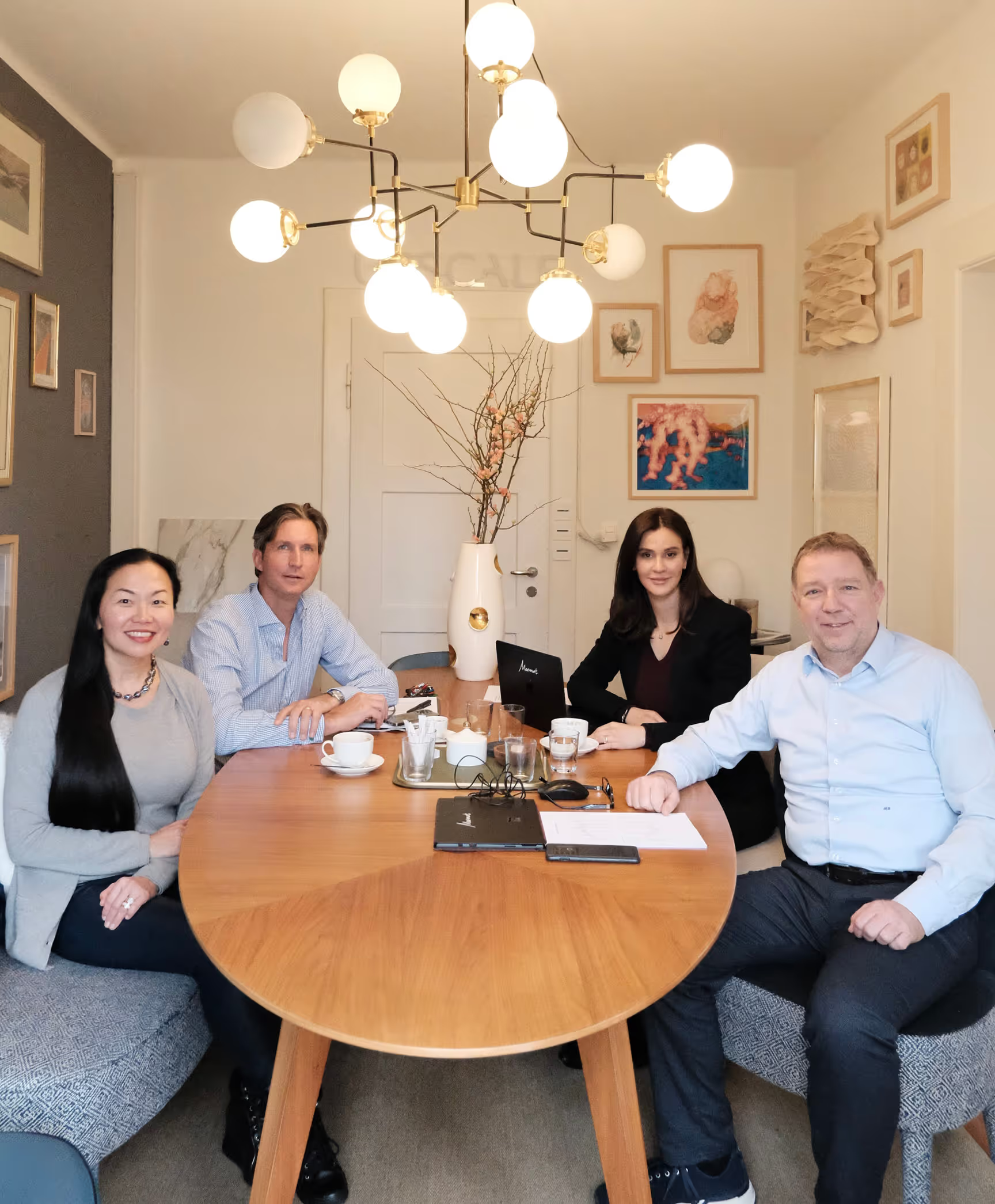
Marmot’s FINMA-accredited advisers understand the specific challenges of wealth management in Verbier, from Swiss Franc portfolio construction to navigating Lex Weber and evaluating non-traditional assets. Whether you are considering a first property purchase, a stake in a local venture, or a broader alternative investment strategy, Marmot provides the personal guidance and digital tools to help you make confident, well-informed decisions. Reach out to Marmot’s expert wealth team to discuss your Verbier investment goals.
FAQ
What are alternative investments in Verbier?
Alternative investments in Verbier include luxury real estate, fine art, and specialist local ventures such as boutique hotels and wellness centres. These assets sit outside traditional stocks and bonds and offer diversification, Swiss Franc exposure, and long-term capital preservation.
Are Verbier property yields worth it for investors?
Gross rental yields in Verbier range from 2.5% to 3.5%, with vacancy rates around 1%. Rental income typically covers costs rather than generating significant profit, so the primary return driver is capital appreciation over the long term.
What is Lex Weber and how does it affect Verbier investment?
Lex Weber is Swiss legislation from 2012 that caps second homes at 20% of a municipality’s housing stock. Verbier already exceeds this limit, meaning no new second homes can be built, which creates permanent scarcity and supports long-term property values.
Is art a viable investment in Verbier?
Art investments in Verbier benefit from the resort’s cultural events and affluent visitor base, but they carry illiquidity and valuation risks. Independent specialist advice is essential before treating any art purchase as a financial investment.
What local ventures are worth considering in Verbier?
Boutique hospitality, wellness centres, and green energy projects are the most promising local venture categories. The shift to year-round residency in Verbier is creating stable demand across all three, particularly for investors who appoint experienced local operators.
Recommended
- Wealth Management in Verbier | Marmot Finance
- Best Asset Classes for Women Investors in Switzerland | Marmot Finance
- Wealth Management in Andermatt | Marmot Finance
- Wealth Management in Herrliberg | Marmot Finance
.webp)



.jpeg)



.png)

.svg)


