

Building wealth as a single woman in Switzerland is entirely achievable, but it requires a clear plan, early action, and an honest look at the structural challenges that the Swiss financial system presents. The gender pension gap in Switzerland averages 34.6%–37%, meaning women retire with over CHF 100,000 less in pension income than men across a career. That figure alone makes the case for taking financial planning seriously, and starting now.
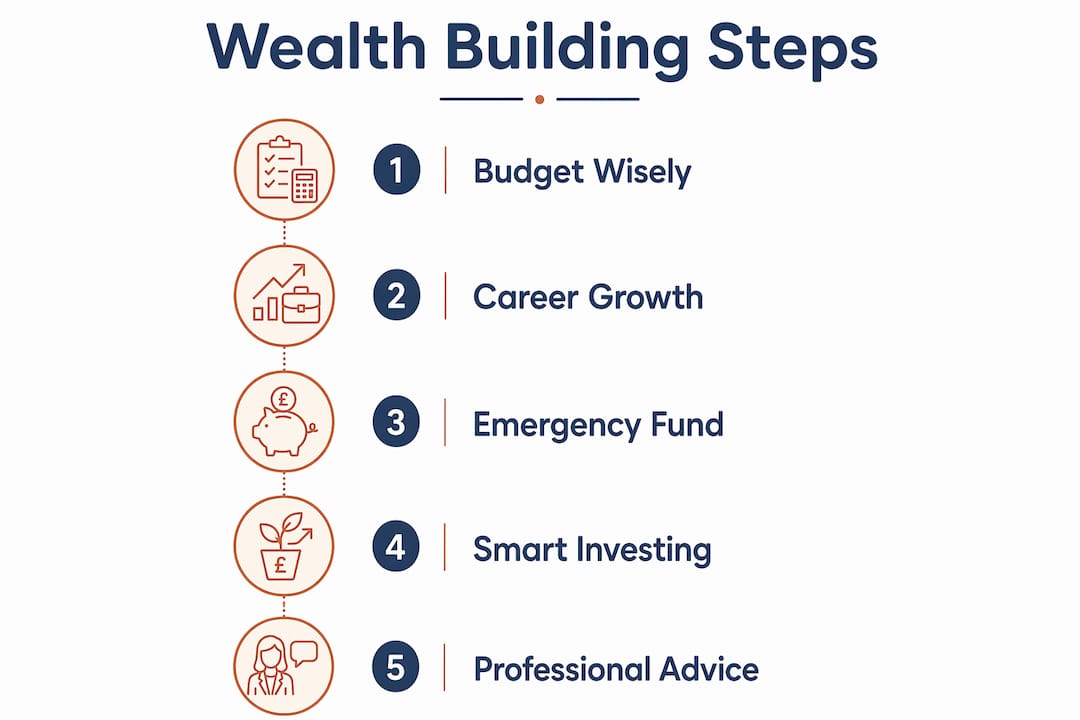
The core steps for building lasting financial independence as a single woman in Switzerland are:
- Build a detailed budget and track every franc of income and expenditure monthly.
- Invest in your career through continuous education, salary negotiation, and professional networking.
- Establish an emergency fund covering three to six months of essential living costs.
- Maximise your Pillar 3a contributions each year to reduce your tax bill and close pension gaps.
- Start investing early, using diversified portfolios suited to your risk tolerance and time horizon.
- Manage credit responsibly to preserve financial flexibility and access to opportunities.
- Secure appropriate insurance covering health, disability, and life risks.
- Plan your estate with a valid will and clear asset documentation.
- Work with a qualified financial adviser who understands women’s specific financial needs in Switzerland.
Building a strong financial foundation as a single woman
A clear budget is the starting point for every wealth-building strategy. Without knowing exactly where your money goes each month, it is impossible to identify how much you can save, invest, or redirect towards your Pillar 3a. Financial experts advise women to begin with a simple income-and-expenditure review, categorising fixed costs (rent, insurance, subscriptions) separately from variable spending (food, leisure, clothing).
Once you have that picture, look for the gaps. Most people discover two or three spending categories where small, consistent cuts free up meaningful amounts over a year. The goal is not austerity; it is clarity. Knowing your numbers gives you confidence, and confidence is what drives the next decision.
- List all monthly income sources, including salary, freelance work, and any investment income.
- Categorise fixed and variable expenses separately.
- Identify at least one area where spending can be reduced without affecting quality of life.
- Set a monthly savings target and treat it as a non-negotiable outgoing.
- Review the budget quarterly and adjust as income or circumstances change.
Pro Tip: Start with a simple spreadsheet or a budgeting app before moving to more sophisticated tools. Complexity added too early often leads to abandonment. Get the habit right first, then refine the method.
How your career directly shapes your long-term wealth
Earning more is the single most powerful lever available to any woman building wealth alone. A higher salary means more to save, more to invest, and, critically in Switzerland, higher contributions to your occupational pension fund (Pillar 2). A Swiss Life study (2024) found that women receive about CHF 20,000 less per year in pension income than men, a gap driven substantially by lower wages and more frequent part-time work across a career.
Career investment, therefore, is not separate from financial planning. It is central to it. Negotiating a salary increase of CHF 5,000 per year compounds significantly over a decade, both in direct income and in the pension contributions it generates.
- Pursue further qualifications, certifications, or postgraduate study that directly increase your market value.
- Research salary benchmarks for your role and sector before every performance review.
- Negotiate proactively. Women who ask for pay rises receive them at broadly similar rates to men, yet they ask less frequently.
- Build a visible professional profile through industry events, LinkedIn, and sector associations.
- Consider a side income, whether consulting, tutoring, or freelance work, to diversify earnings and build savings faster.
Maintaining a workload of around 70% or above across your career, rather than dropping to very low part-time arrangements for extended periods, produces materially better retirement outcomes. Where family responsibilities require reduced hours, plan the period carefully and return to higher workloads as soon as circumstances allow.

Emergency funds and making the most of Pillar 3a
Financial security for a single woman rests on two foundations: a cash buffer for the unexpected, and a tax-advantaged savings vehicle for the long term. Both are achievable with consistent, structured contributions.

An emergency fund covering three to six months of essential living costs is the first priority. Without it, any unexpected expense, a job loss, a health issue, a major repair, forces you to draw down investments or take on debt, both of which set back long-term wealth building. Keep this fund in a separate, accessible savings account, not invested in markets where short-term volatility could reduce its value precisely when you need it.
Pillar 3a is Switzerland’s private pension savings vehicle, and for single women it is one of the most powerful tools available. Contributions are fully tax-deductible, meaning every franc you contribute reduces your taxable income for that year. The annual contribution limit for employed individuals with a pension fund is CHF 7,258 (2025 figure). For the self-employed, the limit is considerably higher.
Women who invest their Pillar 3a in a securities-based solution rather than holding assets in cash see substantially higher long-term returns. The difference over a 20-year horizon is considerable. If you are uncertain about risk, a mixed fund with a moderate equity allocation is a reasonable starting point.
The gender pension gap in Switzerland averages 34.6%–37%, translating to over CHF 100,000 less in total pension income across a career. Pillar 3a is the most direct tool available to close that gap independently of employer contributions.
Smart investing and managing credit responsibly
Investing early and consistently is what separates women who achieve financial independence from those who remain dependent on a single income source. The principles are straightforward, even if the product choices can feel complex.
Diversification is the foundation of any sound investment approach. Spreading assets across equities, bonds, real estate funds, and cash reduces the impact of any single market downturn on your overall portfolio. For a guide to asset classes for women in Switzerland, the range of suitable vehicles is broader than many people realise, from Swiss equity funds to global ETFs and real estate investment trusts.
- Match your investment horizon to your risk tolerance. Money you will not need for ten or more years can carry more equity exposure than funds you may need within three years.
- Invest regularly rather than trying to time the market. A monthly standing order into a diversified fund removes emotion from the decision.
- Avoid high-interest consumer debt. Credit card balances and personal loans at rates above 5% erode wealth faster than most investments can build it.
- Maintain a good credit profile by paying bills on time and keeping credit utilisation low. In Switzerland, a clean credit record (ZEK register) supports access to mortgages and other financial products.
- Review your portfolio at least annually and rebalance if one asset class has grown disproportionately.
Good credit is not just about borrowing. It reflects financial discipline and opens doors to property ownership, business financing, and better insurance terms.
Insurance, estate planning, and protecting what you build
Single women carry financial risk that couples share between two incomes. If you cannot work due to illness or injury, there is no partner’s salary to fall back on. That reality makes insurance not a luxury but a structural necessity.
The three most important covers for single women in Switzerland are health insurance (Krankenkasse, mandatory), disability insurance (Erwerbsunfähigkeitsversicherung), and life insurance where dependants or significant liabilities exist. Disability insurance is frequently underestimated. A long-term inability to work without adequate cover can eliminate years of accumulated savings within months.
- Review your mandatory health insurance annually and switch provider if a cheaper equivalent cover is available.
- Assess whether your occupational pension fund’s disability cover is sufficient, or whether a supplementary policy is needed.
- Consider life insurance if you have dependants, a mortgage, or business obligations.
- Draft a will. Without one, Swiss inheritance law determines who receives your assets, which may not reflect your wishes.
- Keep a clear record of all accounts, policies, and digital assets, and store it somewhere a trusted person can access.
Estate planning feels remote when you are in your thirties or forties, but the cost of not having a will is borne by the people you care about most. A straightforward will drafted with a notary costs a few hundred francs and takes an afternoon.
Working with financial professionals and building a support network
Independent, fee-based financial advice consistently produces better outcomes than commission-driven advice, because the adviser’s interest aligns with yours rather than with product sales. For women in Switzerland, working with an adviser who understands the specific dynamics of the gender pension gap, part-time work patterns, and Swiss tax law adds a further layer of relevance.
When selecting a financial adviser or wealth manager, FINMA accreditation is the baseline standard of regulatory oversight in Switzerland. Beyond that, look for demonstrated experience with women clients, transparent fee structures, and a willingness to explain decisions clearly rather than simply presenting recommendations.
- Prepare for your first consultation by gathering all financial documents: salary slips, pension fund statements, Pillar 3a balances, insurance policies, and a summary of debts.
- Ask specifically how the adviser is remunerated and whether they receive commissions from product providers.
- Seek ongoing coaching, not just a one-off plan. Financial circumstances change, and a good adviser reviews and adjusts your strategy regularly.
- Build a broader support network: financial literacy groups, women’s investment communities, and peer networks all reinforce good habits and reduce the isolation that can come with managing money alone.
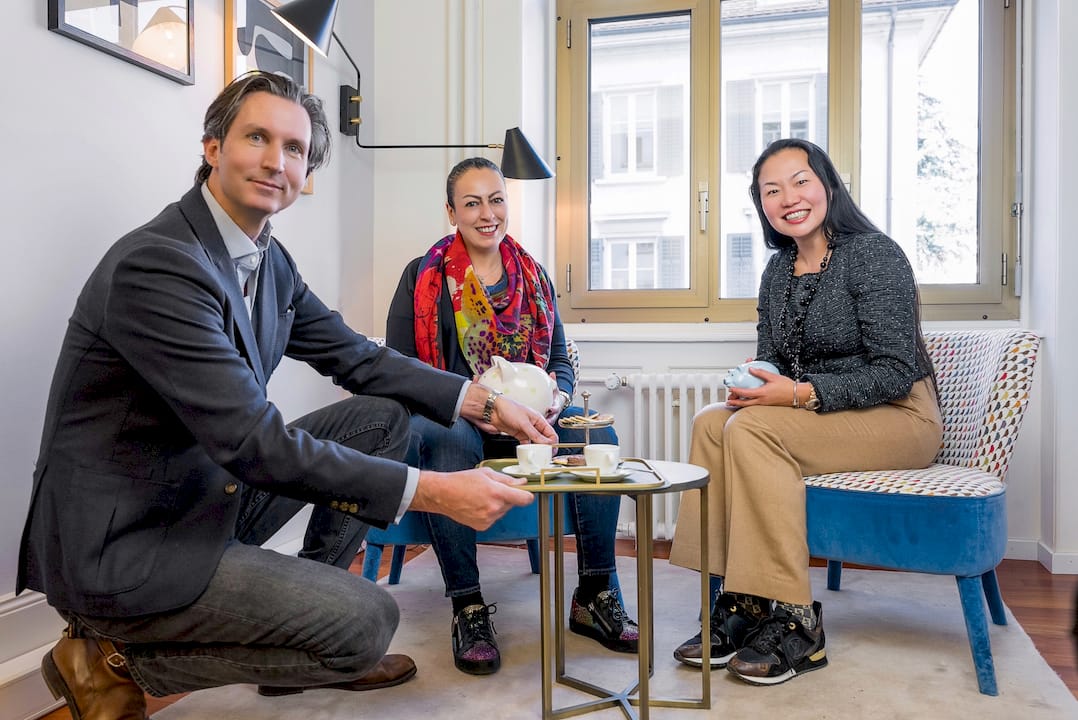
Marmot Finance is a FINMA-accredited wealth manager dedicated exclusively to women and families in Switzerland, combining personal consultations with digital tools and educational resources. Over 350 women have worked with Marmot Finance to restructure their financial situations and build lasting independence. For women seeking expert wealth management tailored to their specific circumstances, that combination of regulatory credibility and gender-focused expertise is a meaningful differentiator.
Pro Tip: Digital tools are excellent for tracking and automating, but they cannot replace a qualified adviser for complex decisions around pension optimisation, tax planning, or estate structuring. Use both, and let each do what it does best.
Understanding the Swiss gender pension gap and what it means for you
The gender pension gap in Switzerland is one of the starkest financial inequalities in an otherwise well-functioning system. Women receive, on average, 34.6%–37% less in total pension income than men. The primary driver is not the state pension (AHV/AVS), where gaps are smaller, but the occupational pension (Pillar 2), where women receive substantially lower benefits due to part-time employment, career breaks, and lower wages feeding into lower contributions.
The structural causes are well documented. Women account for the large majority of part-time workers in Switzerland. Career interruptions for childcare or family responsibilities reduce Pillar 2 accumulation directly. Wage gaps, even within the same profession, compound the effect over decades. Women also live longer on average than men, meaning their savings must stretch further.
Women in Switzerland receive considerably less per year in pension income than men, according to a Swiss study, a gap that accumulates substantially across a retirement period.
Strategic responses to this structural gap include:
- Maximise Pillar 3a contributions every year, prioritising a securities-based allocation for long-term growth.
- Request a voluntary purchase into your Pillar 2 fund (Einkauf) if you have gaps from career breaks, as these purchases are also tax-deductible.
- Maintain the highest feasible employment rate across your career to protect Pillar 2 accumulation.
- Treat financial autonomy as a personal priority, not an afterthought. Women who take control of their investments early, particularly after life changes such as separation or bereavement, achieve materially better outcomes.
For a deeper look at how the gender gap in wealth management plays out across different life stages in Switzerland, the picture is nuanced but the direction is consistent: earlier action produces better results.
How Switzerland’s tax system works for single women
Switzerland’s tax system operates at three levels: federal, cantonal, and municipal. As a single woman, you are taxed as an individual rather than jointly with a partner, which has both advantages and disadvantages depending on your income level and canton of residence.
The most immediate tax planning tool available is Pillar 3a. Every franc contributed reduces your taxable income in the year of contribution, and the tax saving varies by canton. In high-tax cantons such as Geneva or Zurich, the annual saving on a maximum contribution can reach CHF 2,000 or more. Splitting your Pillar 3a across multiple accounts (up to five is commonly advised) allows you to stagger withdrawals at retirement and reduce the lump-sum tax payable at that point.
For women with investment income, Switzerland does not tax capital gains on private assets, which makes long-term equity investing particularly attractive compared to many other European countries. Dividend income and interest, however, are subject to withholding tax (Verrechnungssteuer) at 35%, which is reclaimable through your annual tax return if you declare the assets correctly.
Self-employed women face additional complexity, as they must register independently with the AHV compensation office and manage their own Pillar 2 affiliation. The self-employed can contribute up to 20% of net income to Pillar 3a (capped at CHF 36,288 in 2025), making it an exceptionally powerful tax and retirement planning tool for business owners.
Retirement planning tailored for single women in Switzerland
Switzerland’s three-pillar pension system provides a framework, but for single women it requires active management rather than passive participation. Pillar 1 (AHV/AVS) provides a basic state pension, currently up to approximately CHF 2,520 per month for a full contribution record (44 years of contributions). Gaps from periods of part-time work, study, or time abroad reduce this figure, and those gaps can be partially filled by making voluntary back-payments up to five years retrospectively.
Pillar 2, the occupational pension, is where the largest gaps accumulate for women. Reviewing your pension fund statement (Pensionskassenausweis) annually is essential. It shows your projected retirement benefit, your current savings balance, and any gaps that could be closed through voluntary purchases. Those purchases are tax-deductible and can significantly improve your retirement income, particularly in the decade before retirement.
Pillar 3a, as discussed throughout this article, is the most flexible and controllable element of the three-pillar system. Women who invest their Pillar 3a in a diversified securities portfolio rather than holding cash see substantially better long-term outcomes. Starting at 30 rather than 40 makes a material difference to the final balance, given the compounding effect over time.
For women approaching retirement, the sequence of Pillar 3a withdrawals matters. Staggering withdrawals across multiple years, and across multiple accounts, reduces the progressive tax applied to lump-sum pension payouts. This is a planning decision best made five to ten years before retirement, not in the final year.
Addressing gender-specific financial challenges and biases in Switzerland
The financial challenges facing women in Switzerland are not simply a matter of individual choices. They are embedded in structural features of the labour market and pension system. Women account for the large majority of part-time workers in Switzerland, and the coordination threshold in Pillar 2 (the minimum salary above which occupational pension contributions are mandatory) disproportionately excludes women working reduced hours or across multiple employers.
Awareness of these structural biases is the first step towards countering them. Women who understand why the gap exists are better positioned to take deliberate action: maintaining higher employment rates where possible, making voluntary Pillar 2 purchases, maximising Pillar 3a, and negotiating salaries that reflect their full market value.
Financial literacy also plays a direct role. Women who engage actively with their finances, reading pension statements, understanding investment options, and seeking qualified advice, build wealth more effectively than those who defer these decisions. Education and financial literacy demonstrably increase investment participation and confidence among women, and the effect compounds over time.
The broader cultural shift is also underway. Women are increasingly represented in wealth management, financial advisory, and investment leadership roles in Switzerland, and that representation matters. Advisers who understand the lived financial reality of women clients, including career breaks, part-time transitions, and the specific dynamics of the Swiss pension system, provide more relevant and effective guidance. Marmot Finance’s financial coaching for women is built precisely around this understanding.
Real estate investment considerations for single women in Switzerland
Property ownership in Switzerland is less common than in most European countries, with homeownership rates among the lowest on the continent. High purchase prices, substantial down payment requirements (typically 20% of the property value, with at least 10% from personal savings rather than pension funds), and strict mortgage affordability rules make entry challenging on a single income.
That said, real estate remains a meaningful long-term asset class, and single women who can meet the affordability criteria benefit from both capital appreciation and the security of owning their home. Swiss mortgage interest rates have historically been low relative to European peers, and property values in major urban centres have shown consistent long-term growth.
For women who cannot yet meet the down payment threshold, real estate investment funds (Immobilienfonds) listed on the Swiss Exchange (SIX) offer indirect exposure to Swiss property markets without the capital requirements of direct ownership. These funds distribute rental income as dividends and provide diversification across commercial and residential properties.
Before pursuing property purchase, a single woman should assess the full cost of ownership: mortgage repayments, maintenance reserves, building insurance, and cantonal property taxes. The affordability calculation used by Swiss banks requires that total housing costs do not exceed one third of gross income, using a notional interest rate of 5% rather than the current market rate. On a single income, this threshold is often the binding constraint.
Key takeaways
Building wealth as a single woman in Switzerland requires early, deliberate action across savings, investment, career, and pension planning, with Pillar 3a as the most powerful individual tool available.
Recommended
- Gender Gap Wealth Management: A Guide for Swiss Women | Marmot Finance
- Best Asset Classes for Women Investors in Switzerland | Marmot Finance
- Women Investment Portfolio Guide for Swiss Investors | Marmot Finance
- Women Investment Advice Explained: Your Swiss Guide | Marmot Finance

.webp)





.jpeg)



.png)

.svg)


